What is Homocysteine?
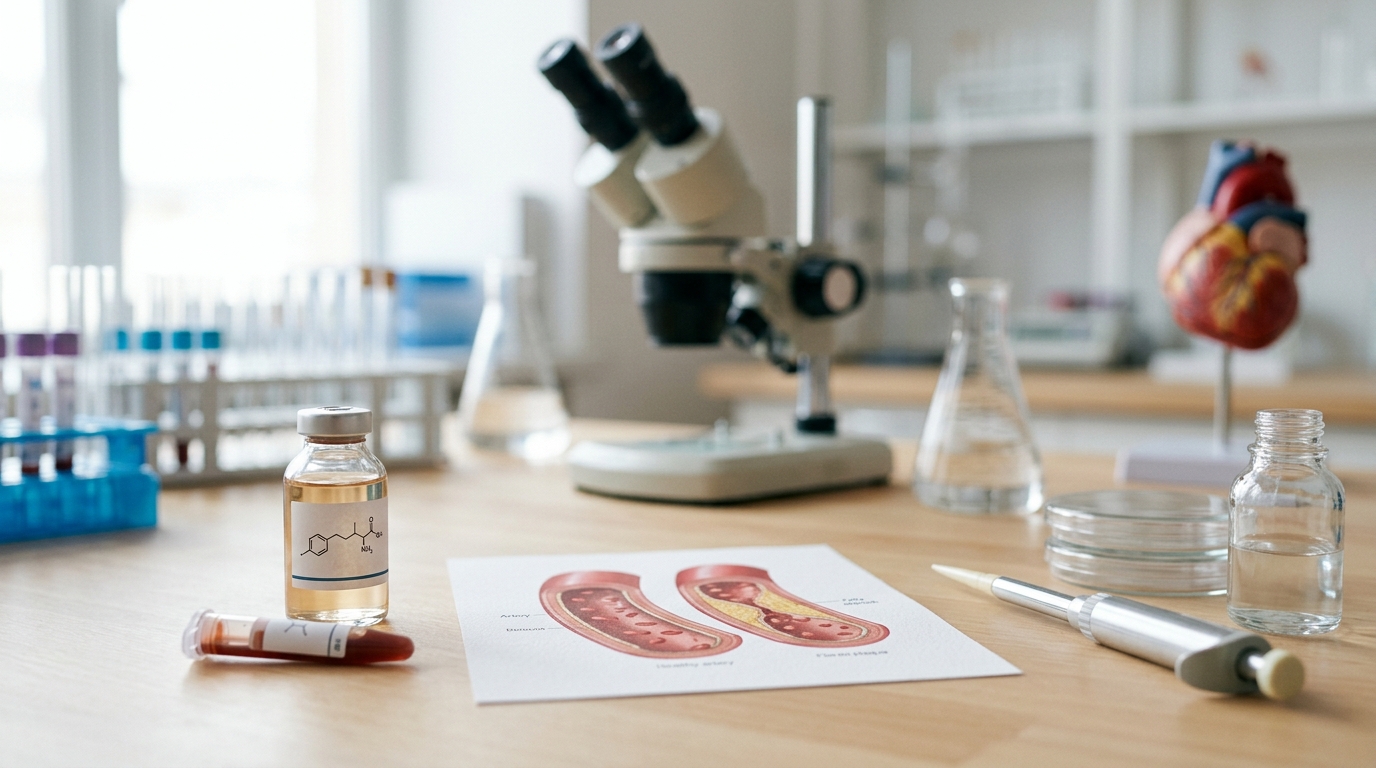
Homocysteine is an amino acid produced during protein metabolism. Elevated levels damage blood vessel walls and increase clotting risk, independent of traditional risk factors like cholesterol.
High homocysteine can be present even with normal cholesterol levels, making it an important but often overlooked risk factor.
Optimal Levels
Normal: Less than 10 μmol/L
Mildly elevated: 10-15 μmol/L
Elevated: Greater than 15 μmol/L
Even mildly elevated levels increase cardiovascular risk.
B Vitamins and Homocysteine
B vitamins metabolize homocysteine. Deficiency in B6, B12, or folate allows homocysteine accumulation.
Vitamin B12: Found in animal products, fortified cereals, supplements
Folate: Leafy greens, legumes, asparagus, Brussels sprouts
Vitamin B6: Chickpeas, salmon, potatoes, bananas
Testing and Supplementation
If you have risk factors for heart disease or a family history, ask your doctor to measure homocysteine. If elevated, supplementing B vitamins often normalizes levels more effectively than diet alone, though improving dietary sources is always beneficial.
Other Contributing Factors
- Smoking increases homocysteine
- Renal disease impairs homocysteine clearance
- Certain medications raise levels
- Hypothyroidism may contribute
Lifestyle Approaches
Beyond B vitamins, exercise regularly, manage stress, limit caffeine, and avoid smoking. These factors influence homocysteine independent of B vitamin status.
Integrated Approach
While homocysteine is important, address all cardiovascular risk factors through comprehensive lifestyle modification and regular health monitoring.